
Crane Spotting
 It was brutal down on the front, with an icy northern wind and that ‘what on earth are were you thinking’ smeary dreary rain, but against all logic I was determined we’d go for a ‘nice’ stroll come hell or highwater.
Shotley sits at the head of the peninsula, at the clashing point between the Stour and the Orwell looking out toward Bloody Point, the scene of a Viking battering in 885AD. Shotley became the host to HMS Ganges (1905-1976), the former (and reputedly harsh) naval boys training establishment before switching to a Police training school in the 80s. Ransome’s Commander Walker was even stationed here in spirit.
The huge crumbling mast of the HMS Cordelia peers down on the marina (once a holiday home for destroyers and submarines), keeping a watchful eye over the Orwellian Giraffes at Felixstowe Port. Ganges was bombed by a Zeppelin, survived diptheria, and staged a rationing mutiny. The ghosted airwaves of Radio Caroline echo out from her shoreline. She has stories to tell.
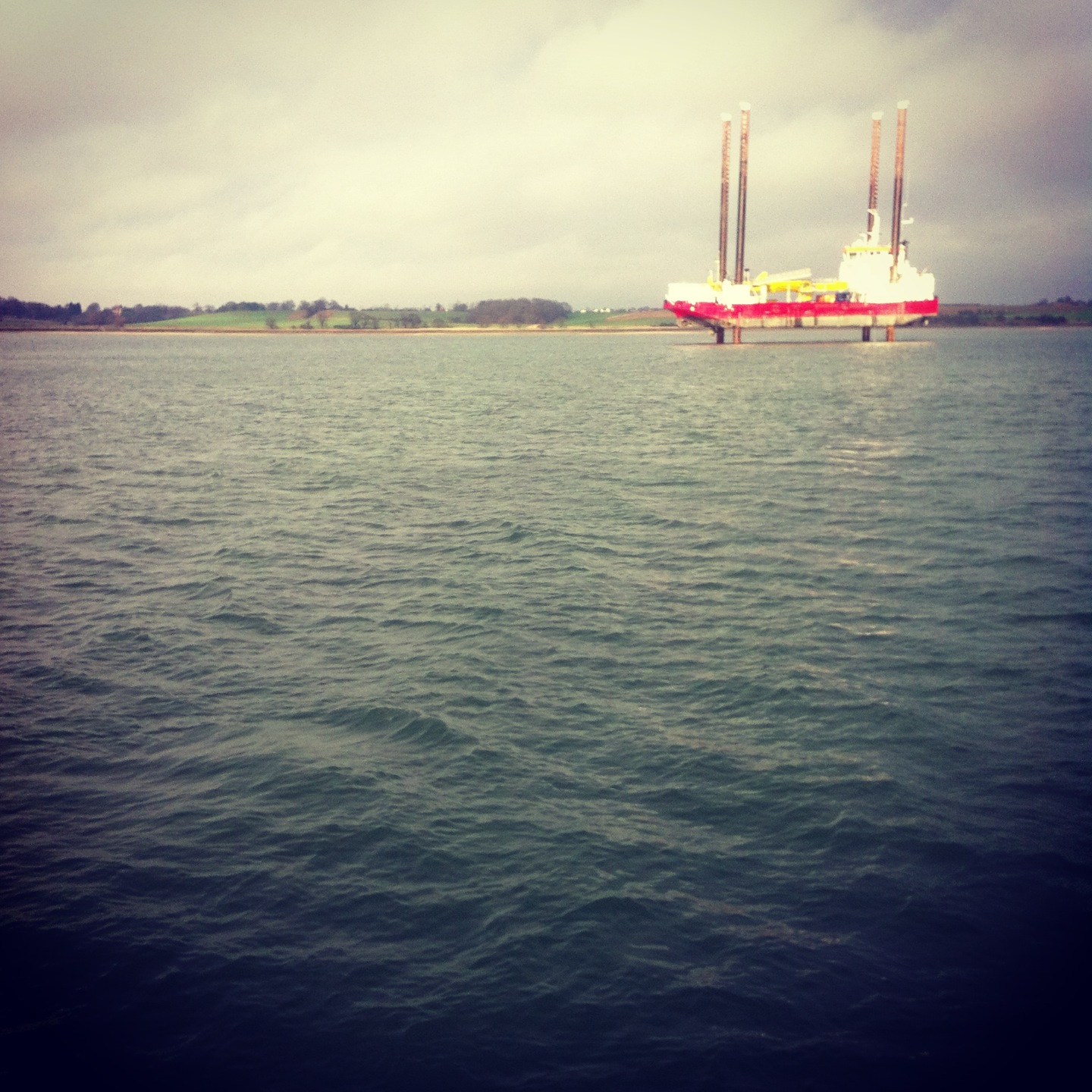 There’s no birds today. I can hear the Oystercatchers but I cannot see them. I cannot see much at all to be honest, just the huge floating container continents docked at Languard Terminal, itself home to the old Languard Fort, the “site of the last opposed seaborne invasion of England in 1667” and a story for another day. You can feel the low drone of industry in your legs here.
Every now and then you need steel more than feathers, concrete more than shingle. A reminder that industry keeps families alive, buys homes, puts food on the table, creates communities. It’s a grounding experience and as powerful as nature. Maybe we need a designated ‘Area of Outstanding Manmade Industry’?
The coastline from Essex to north Suffolk is an evolving ecology, juggling mudflats with martello towers, pebbles and power stations, a psychogeographic playground filled with phantoms. Although only an irregular vice, I could idle away hours down here watching the cranes and ferries, licking ice cream and creating cross continental fantasy journeys. Maybe we need these industrial bipolar points of reference to truly feel at home, balanced in our own environment and identity.
Suffolk based artist Robert Pacitti captured this essential contrast in his film On Languard Point, all fine Suffolk folk should really track it down, even if you leave with questions and furrowed brow.
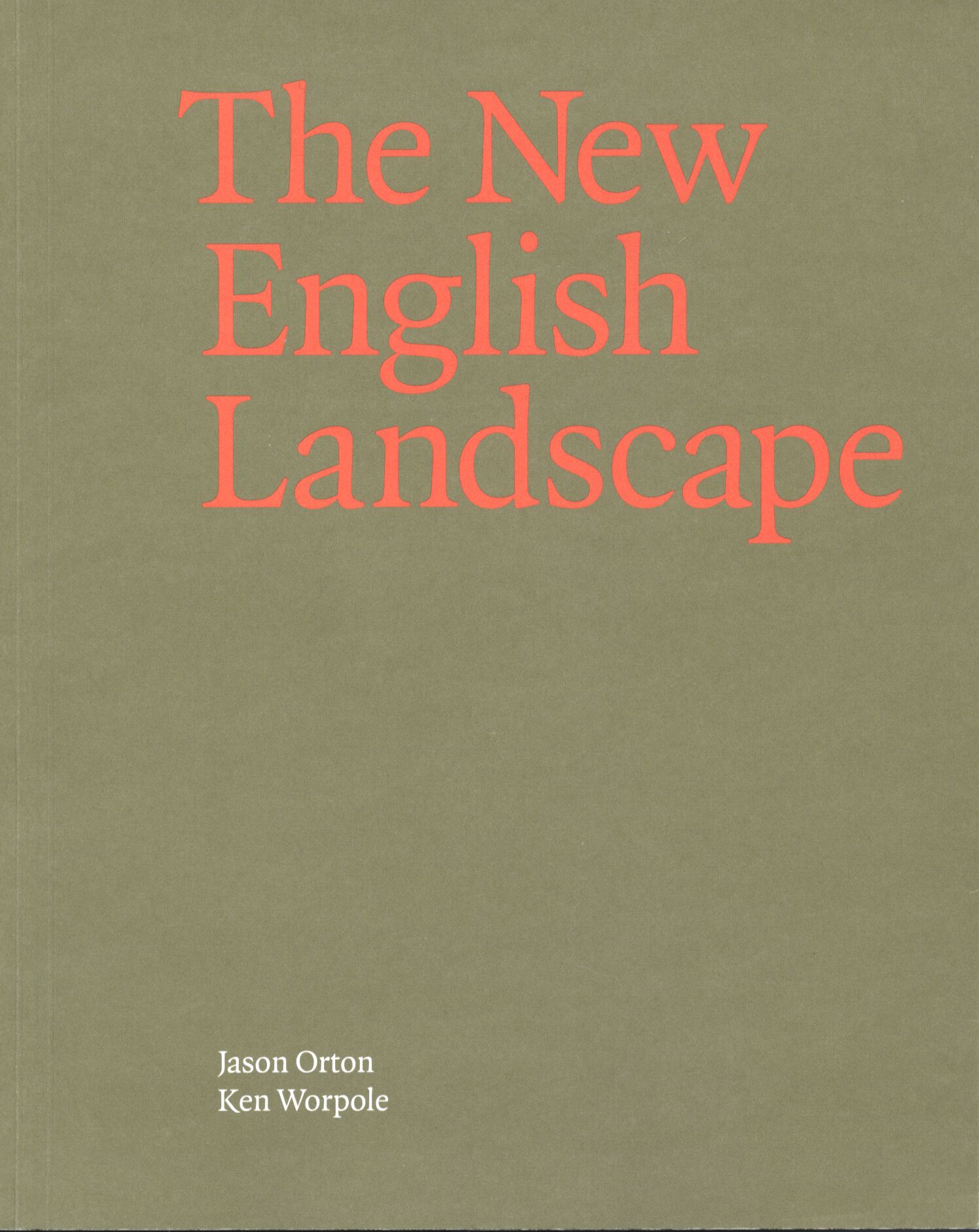 If you need a break from the natural routine, pick up a copy of Jason Orton and Ken Worpoles splendid new book, The New English Landscape. It’s grounded in a sense of place, identity and manmade drama, exploring the post war (and post arcadian) landscape of East Anglia. It’s a cracking read and an alternate view of the place we call home.
HMS Ganges Museum is well worth a visit too. It’s compact but has a powerful story to tell. I wholly recommend the Shipwreck for afters, there’s a good selection of Ales and a decent view of the monolithic container ships on their way back to China. The Suffolk coastline is not all birds and bunting.
Posted by: Forte